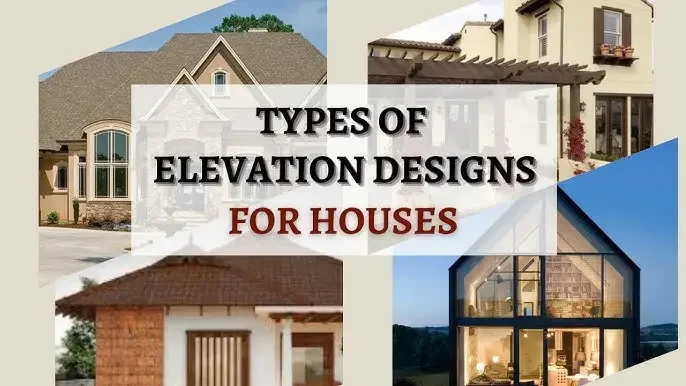
Elevation design refers to the visual representation of a building’s exterior. It plays a crucial role in defining the architectural character, aesthetic appeal, and functional aspects of a home. In Pakistan, elevation design combines modern trends, traditional elements, and local climatic considerations to create visually striking façades.
The front elevation is the most important as it represents the face of the building.
Key features include:
- Main entrance design
- Balcony and window arrangement
- Material finishes like plaster, stone, or cladding
- Color combinations
Benefits:
- Enhances curb appeal
- Reflects homeowner’s style
- Sets the tone for the entire house
While the front gets the most attention, side and rear elevations are important for:
- Ventilation and natural light
- Privacy
- Outdoor space integration
- Functional utility areas like kitchens or service entries
Proper planning ensures a balanced and functional design for the whole building.
- Clean lines and minimal ornamentation
- Large glass windows
- Combination of concrete, wood, and stone finishes
- Neutral color palette
- Blend of modern and traditional elements
- Use of latticework, jalis, and decorative motifs
- Bold geometric shapes
- Arched windows and doors
- Carved wood or stone detailing
- Symmetrical layouts
- Inspired by Mughal or colonial architecture
- Focus on simplicity and clean façades
- Limited material variety
- Functional and sleek
Material choice affects durability, aesthetics, and maintenance.
Common options in Pakistan:
- Cement plaster and paint
- Stone cladding (marble, granite)
- Wood accents for doors and windows
- Aluminum or UPVC for modern windows
- Glass for balconies and terraces
Choosing quality materials ensures long-lasting finishes and reduces maintenance costs.
- Modern villas in DHA Lahore and Multan
- Contemporary urban homes in Bahria Town Karachi
- Minimalist luxury houses in Islamabad suburbs
These examples showcase functional layouts, proper lighting, and materials that suit local climate.
- Keep the design proportional to the plot size
- Ensure proper ventilation and daylight
- Balance aesthetic appeal with functionality
- Use durable and climate-appropriate materials
- Consider local architectural style and regulations
An effective elevation design enhances property value, improves visual appeal, and ensures the building meets functional needs. It communicates the style and personality of the homeowner while addressing environmental conditions.
At ANU Architects, we combine creativity, structural integrity, and local expertise to craft elevations that are visually stunning and practical. Each project is customized for site conditions, client preferences, and contemporary trends.
Elevation design shapes the perception and functionality of a home. By understanding the different styles, types, and material options in Pakistan, homeowners can make informed choices that create a beautiful, durable, and climate-responsive building. ANU Architects is dedicated to providing expert guidance and innovative elevation designs for modern Pakistani homes.