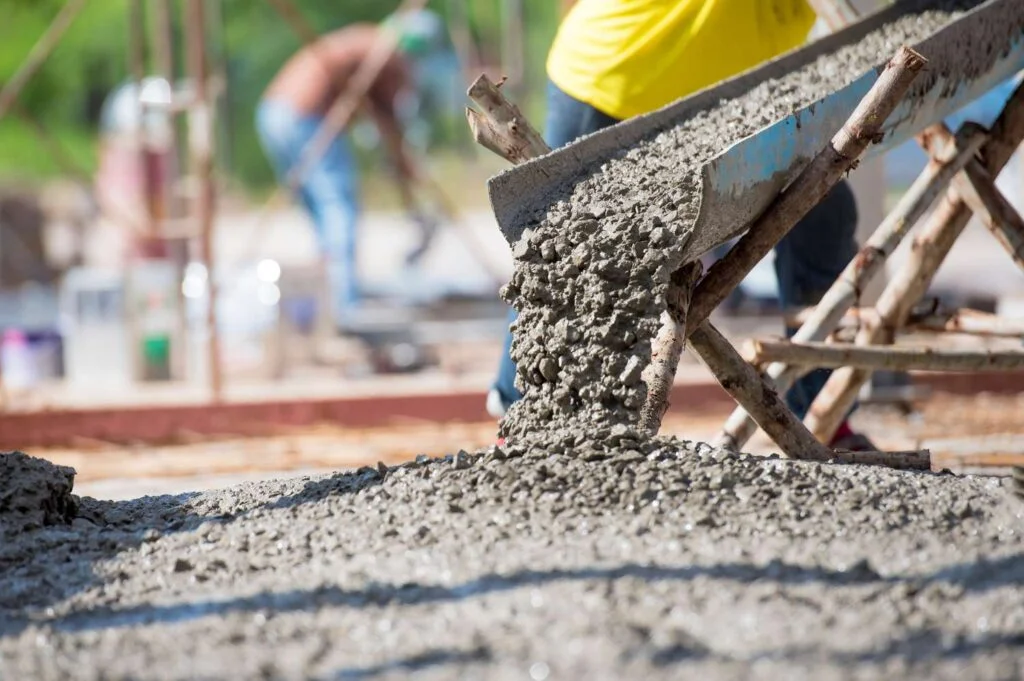
Selecting the right materials is one of the most important decisions when building a home in Pakistan. The quality of bricks, cement, steel, and finishing materials directly affects the strength, durability, comfort, and overall cost of your house. This guide covers the best construction materials used across Pakistan and evaluates each with clear pros and cons.
Bricks are the most common construction material used in Pakistani residential projects. They provide structural stability and work well in Multan's hot climate.
Pros:
- Good durability
- Strong thermal insulation
- Easy to work with
- Widely available
Cons:
- Quality varies by kiln
- Requires careful curing
- Slightly higher cost than blocks
Concrete blocks are increasingly popular for modern construction due to their uniform strength and faster installation.
Pros:
- Faster masonry work
- Strong and durable
- Great for large projects
- Good sound insulation
Cons:
- Lower thermal insulation compared to bricks
- Can crack if poor-quality material is used
Cement is essential for all structural elements such as foundations, columns, beams, and plastering.
Common brands in Pakistan include Lucky, Maple Leaf, DG Cement, and Bestway.
Pros:
- Strong bonding
- Versatile use
- Long-lasting results
Cons:
- Price fluctuates
- Requires professional mixing ratios
Steel reinforcements strengthen the entire structure, especially during earthquakes and heavy loads.
Popular brands include Mughal Steel, Amreli Steel, and Ittefaq Steel.
Pros:
- Excellent tensile strength
- Essential for structural safety
- Resistant to heavy loads
Cons:
- Can rust if not stored properly
- Higher cost depending on market rates
Sand is a vital component for concrete, mortar, and plastering. The most common types used in Pakistan include Chenab, Lawrencepur, and Ghazi sand.
Pros:
- Good workability
- Improves concrete strength
- Different grades available
Cons:
- Quality varies by source
- Impurities can weaken mortar
Crush is used in concrete mixes for foundations, slabs, and columns.
Pros:
- Adds structural strength
- Improves bonding
- Available in multiple sizes
Cons:
- Expensive in some cities
- Must be washed and cleaned
Good-quality wiring ensures safety and long-term efficiency. Popular options include Popular Cable, Fast Cable, and GM Cable.
Pros:
- Prevents electrical fires
- Long-lasting performance
- Supports high load appliances
Cons:
- Low-quality alternatives are dangerous
- Higher cost for premium wires
Plumbing materials like UPVC and PPRC pipes are common for water and drainage systems.
Pros:
- Leak-resistant
- Long lifespan
- Corrosion-free
Cons:
- Requires expert installation
- Cheaper brands crack in heat
Common materials include wood, aluminum, UPVC, and glass. Each has unique advantages depending on design preference.
Pros:
- Wide variety of designs
- Thermal and sound insulation options
- Durable material choices
Cons:
- Wood requires maintenance
- Aluminum heats up in summers
Popular flooring choices in Pakistan include tiles, marble, granite, and vinyl floors.
Pros:
- Wide price range available
- Aesthetic options
- Durable and long-lasting
Cons:
- Marble is expensive
- Slippery floors can be unsafe
High-quality materials reduce long-term maintenance costs, improve home value, and enhance safety. Using certified brands also ensures construction meets modern standards and withstands Pakistan’s climate challenges.
At ANU Architects, we use trusted material brands, proper installation methods, and strict quality checks throughout construction. Our focus on structural strength, insulation, and long-term durability ensures every home is safe and built to last.
Choosing the best materials is essential for building a strong, comfortable, and cost-efficient home in Pakistan. By understanding the pros and cons of bricks, steel, cement, and finishing items, homeowners can make informed choices. ANU Architects is here to guide you with expert design and reliable construction services to ensure your home stands strong for decades. p>